How Water Technology Startups Are Tackling Water Scarcity
The Importance of Water Technology Startups in Addressing International Water Obstacles
Water scarcity remains a pressing global concern, intensified by environment adjustment and populace development. In this context, water Technology startups become essential players, offering innovative options that improve efficiency and sustainability. Their advancements, from smart sensors to enhanced desalination techniques, are reshaping water monitoring methods. The extent of their influence and the challenges they face in partnership with recognized authorities raise important inquiries regarding the future of water access and top quality.
The Current State of International Water Deficiency
As water deficiency increasingly ends up being a pressing worldwide concern, numerous areas are experiencing considerable anxiety on their water sources. According to recent researches, over 2 billion people live in countries facing high water stress, with projections showing that this number could increase dramatically in the coming years. Environment adjustment, population development, and inadequate infrastructure are exacerbating the scenario, leading to over-extraction of freshwater resources and reducing groundwater degrees. Agriculture, which accounts for roughly 70% of worldwide water usage, suffers from inefficient techniques, further stressing accessibility. Urban locations, particularly in developing nations, face aging systems that can not satisfy rising needs. This complex crisis not only intimidates human health but additionally weakens food protection and financial stability. The seriousness to deal with water shortage has actually never ever been higher, engaging federal governments and organizations to look for lasting options to handle and shield this crucial source.
Cutting-edge Solutions: How Startups Are Revolutionizing Water Management
Water Technology startups are presenting revolutionary solutions that improve water monitoring methods. Innovations such as wise water sensing units, advanced desalination strategies, and effective wastewater reusing systems are improving how water sources are utilized and saved. These advancements not just address existing challenges yet additionally pave the means for sustainable water use in the future.
Smart Water Sensors
Developments in smart water sensors are transforming water monitoring by providing accurate data and real-time surveillance capacities. Startups are creating innovative sensor technologies that can spot leaks, display water quality, and optimize usage in different environments. These sensors enable organizations and towns to make enlightened decisions relating to water conservation and framework maintenance. By using IoT connectivity, smart water sensing units promote seamless information transmission and integration with existing administration systems. This not only enhances operational effectiveness however also decreases costs connected with water loss and contamination. Additionally, the scalability of these remedies permits widespread fostering, providing a path toward lasting water resource management. Generally, wise water sensing units stand for a significant improvement in addressing worldwide water difficulties.
Desalination Innovations
While standard desalination techniques have dealt with criticism for their high power consumption and ecological effect, startups are pioneering cutting-edge solutions that assure to transform this necessary process. These business are developing sophisticated technologies such as solar-powered desalination systems, which harness sustainable power to reduce carbon impacts. Furthermore, some start-ups are checking out onward osmosis and membrane distillation techniques, which considerably lower energy needs contrasted to traditional strategies. Additionally, developments in products scientific research are causing the creation of more effective membrane layers that boost water removal rates while reducing waste. By integrating artificial intelligence and artificial intelligence, these start-ups additionally optimize operational effectiveness, making desalination much more economical and lasting. Jointly, these improvements suggest a shift in the direction of a more practical future in water administration.
Wastewater Recycling Solutions
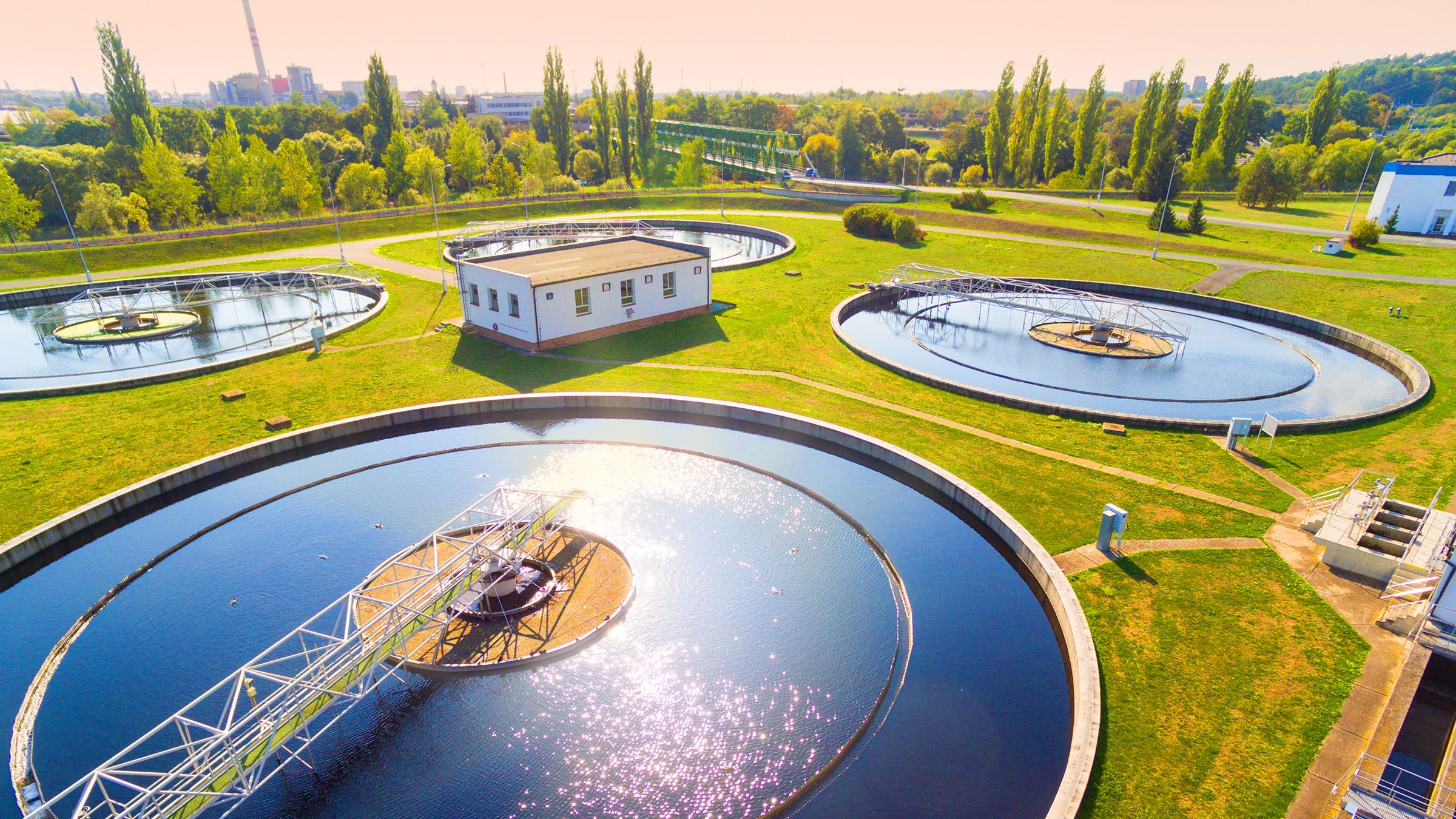
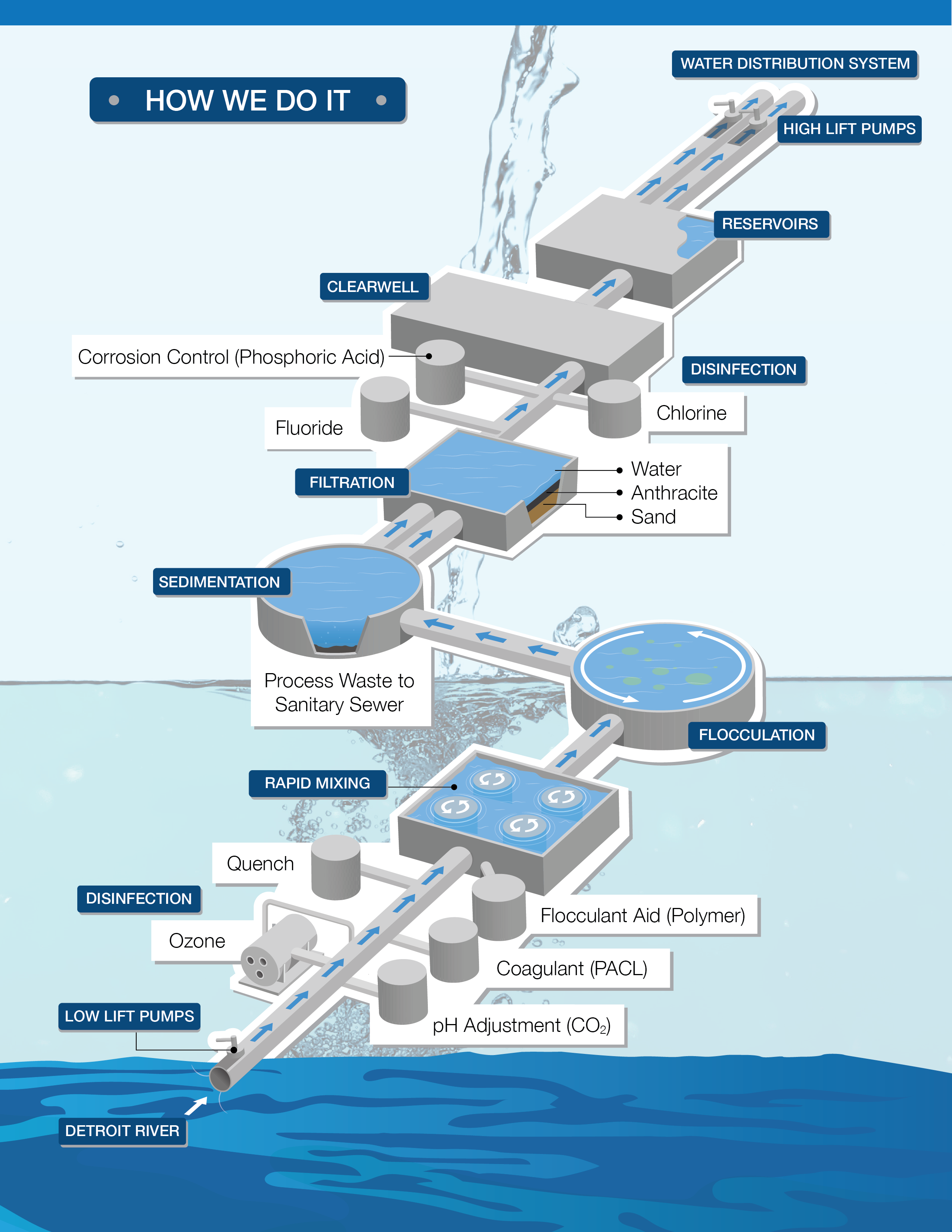
As the need for sustainable water monitoring magnifies, start-ups are emerging with groundbreaking wastewater recycling services that assure to improve just how areas approach water scarcity. These ingenious companies utilize advanced technologies such as membrane layer bioreactors and organic purification systems to treat and repurpose wastewater for various applications, consisting of agricultural watering and commercial procedures. By changing waste into a useful resource, these start-ups not only relieve the pressure on freshwater resources however likewise contribute to environmental sustainability. In addition, a number of these solutions are made for scalability, permitting areas of all sizes to apply efficient recycling systems. As understanding of water scarcity expands, the role of these start-ups comes to be progressively vital in cultivating durable water monitoring techniques worldwide.
Study of Successful Water Technology Startups
The landscape of water Technology start-ups showcases impressive improvements in innovative purification options and lasting water management techniques. These business have actually established one-of-a-kind approaches to attend to pushing water difficulties, demonstrating their capacity for considerable impact. By taking a look at specific case research studies, one can gain understandings right into the strategies that have actually resulted in their success in the industry.
Ingenious Purification Solutions
Ingenious filtration services have actually become a critical emphasis for water Technology startups, resolving the expanding need for secure and clean drinking water. Companies like Absolutely No Mass Water have actually originated solar-powered hydropanels that remove wetness from the air, providing sustainable drinking water in deserts. The start-up Aquasana has developed sophisticated filtering systems that remove impurities like lead and chlorine, guaranteeing higher water top quality for houses. An additional remarkable instance is the start-up LifeStraw, which produces mobile water filters, ensuring drinking water easily accessible in disaster-stricken areas. These case studies highlight just how ingenious filtering technologies are transforming water ease of access and safety, underscoring the necessary duty of startups in taking on global water difficulties and enhancing public health and wellness end results worldwide.
Sustainable Water Management
While the difficulties of water scarcity and inefficient use persist internationally, numerous startups are blazing a trail in sustainable water monitoring. One remarkable example is a startup that created a wise watering system, utilizing data analytics to maximize water utilize in agriculture, considerably lowering waste. Another situation involves a firm that developed a modular rainwater harvesting system, enabling urban locations to make use of and record rain efficiently, thereby easing stress on community water supplies. Additionally, a startup concentrated on wastewater recycling has effectively implemented Technology that changes sewage into potable water, demonstrating an ingenious strategy to resource recovery. These situation researches highlight how water Technology start-ups are not just dealing with immediate water challenges yet additionally adding to long-term sustainability in water monitoring.
The Role of Technology in Water Quality Renovation
Advancements in Technology are significantly transforming water quality enhancement efforts throughout the globe. Ingenious solutions, such as real-time surveillance systems, enable the discovery of contaminants and pollutants, enabling swift action measures. These systems utilize data and sensing units analytics to give actionable understandings, making certain water sources remain safe for intake.
Additionally, progressed purification innovations, consisting of membrane purification and UV sanitation, boost the elimination of unsafe bacteria and chemicals from water supplies. Water Technology startups are introducing these methods, making clean water extra available and affordable.
In addition, man-made intelligence and machine understanding are maximizing therapy procedures, forecasting prospective water high quality concerns before they rise - Water Technology Startups. By using big data, these innovations help with informed decision-making for water administration, eventually causing boosted public health results. Collectively, these advancements underscore the critical duty Technology plays in dealing with international water high quality obstacles, fostering an extra lasting and resilient future

Collaborations Between Startups and Established Water Authorities
As water quality obstacles increase, collaborations in between startups and well-known water authorities are becoming crucial for reliable remedies. Start-ups frequently bring innovative innovations and dexterous methodologies, while developed authorities offer governing knowledge, financing, and facilities. These partnerships enable the quick release of novel options developed to attend to details water quality issues. For instance, start-ups can establish sophisticated purification systems or real-time tracking tools, while authorities can facilitate pilot programs that test these technologies in real-world setups. By leveraging their corresponding staminas, both events can accelerate the fostering of new modern technologies, inevitably leading to improved water high quality and sustainability. Such cooperations foster expertise exchange, assisting start-ups to fine-tune their items based on governing demands and sensible challenges faced by water authorities. This synergy not just improves operational performance yet also drives the advancement of water Technology in its entirety, positioning both startups and established authorities as vital players in taking on global water situations.
The Future of Water Modern Technology: Forecasts and patterns
With enhancing concerns over water shortage and quality, the future of water Technology is poised for transformative adjustments driven by advancement and sustainability. Arising patterns indicate a shift in the direction of decentralized water management systems, which empower local neighborhoods and decrease dependence on massive framework. Furthermore, developments in wise water innovations, such as IoT sensors and information analytics, assure enhanced surveillance and performance in water use.
Predictions recommend that water recycling and desalination innovations will become much more widespread, attending to journalism requirement for alternate water sources. The assimilation of eco-friendly energy in water therapy procedures is expected to reduce costs and carbon footprints. As environment modification remains to influence water sources, the function of start-ups in establishing adaptive services will be important. Eventually, the merging of Technology and sustainability will certainly form a resistant water future, making certain equitable accessibility to clean water for all.
Often Asked Concerns
What Are the Main Barriers for Water Technology Startups?
The primary obstacles for water Technology start-ups include high resources demands, regulatory obstacles, restricted access to funding, market fragmentation, and competitors from established firms, which develop significant difficulties in scaling and attaining sustainability in their innovations.
Exactly How Can Individuals Support Water Technology Innovations?
What Funding Options Exist for Water Startups?
Water start-ups can discover numerous financing options, consisting of endeavor capital, federal government gives, crowdfunding, angel investors, and company partnerships. Each choice uses distinct advantages, enabling startups to protect necessary resources for innovation and growth in the field.
What Abilities Are Necessary for Working in Water Innovation?
Essential skills for functioning in water Technology consist of engineering experience, data evaluation, job administration, environmental scientific research knowledge, and strong interaction capabilities. Adaptability and problem-solving abilities are also important for attending to complicated water-related difficulties successfully.
Just How Do Water Start-ups Impact Resident Economies?
Water startups promote local economic climates by developing work, promoting advancement, and drawing in financial investment. Water Technology Startups. Their options commonly enhance water monitoring, resulting in enhanced public health and wellness and raised farming efficiency, thus profiting the wider community financially and socially
As water scarcity increasingly ends up being a pressing worldwide concern, numerous regions are experiencing substantial tension on their water resources. Water Technology startups are introducing revolutionary options that boost water administration click here techniques. As the need for sustainable water management increases, start-ups are emerging with groundbreaking wastewater reusing options that promise to improve just how areas approach water scarcity. The landscape of water Technology startups showcases impressive improvements in cutting-edge filtering remedies and sustainable water management techniques. Another noteworthy instance is the startup LifeStraw, which generates portable water filters, making secure drinking water accessible in disaster-stricken areas.